Cardiac Stress Test in Aurangabad
Opening Hour's
-
Monday - Saturday
9:00 AM To 9:00 PM -
Sunday
Closed
Quick Contact
Reach Us
Office No 3, 2nd floor, Mulay-Tapadia Complex Mondha, Jalna Road, Chatrapati, Aurangabad, Maharashtra 431001
drcardiovision@gmail.com
Call us
+91 8048039850
Cardiac Stress Test in Aurangabad

Cardiac Stress Test
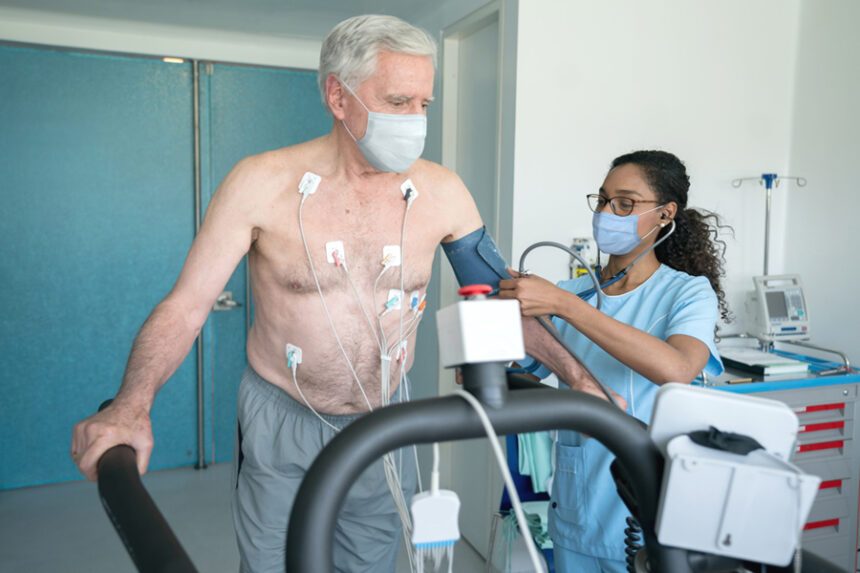
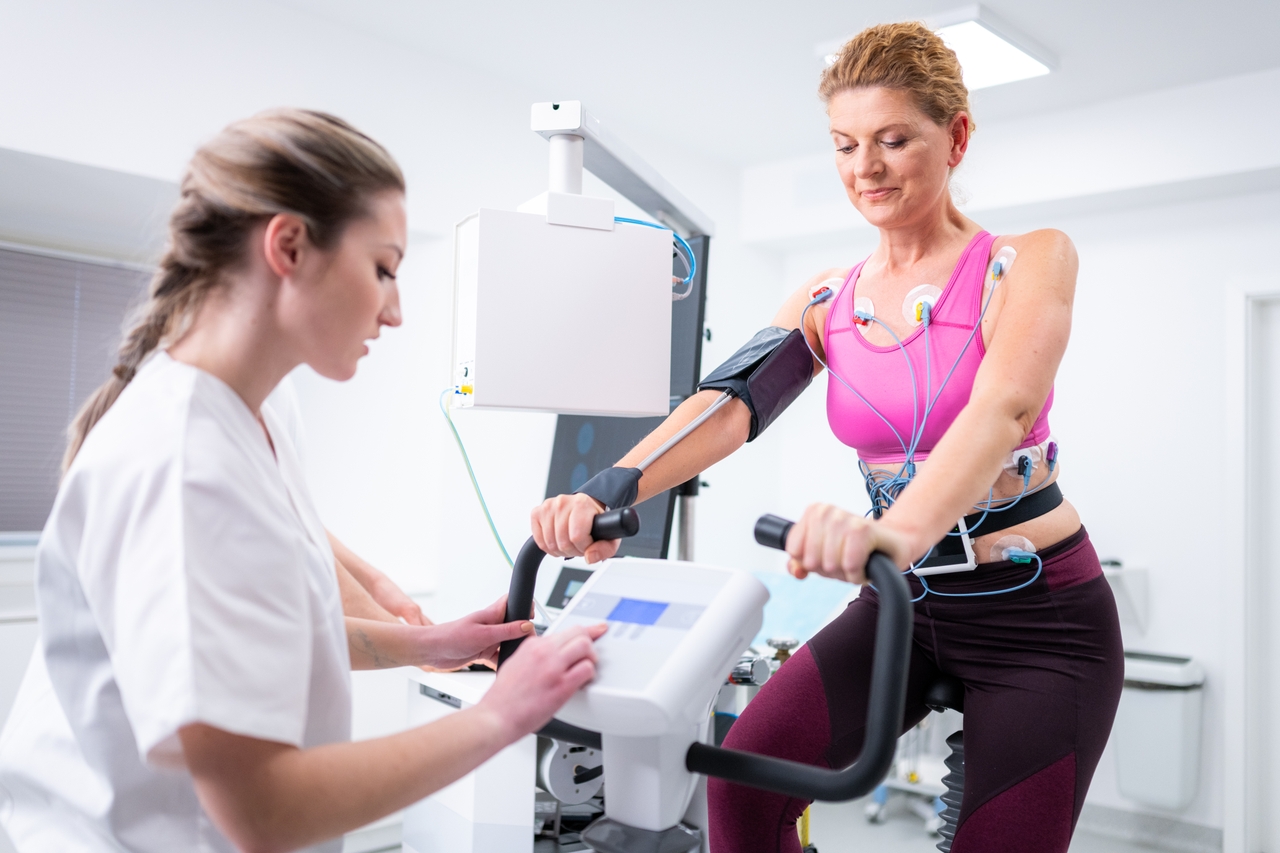
A Cardiac Stress Test in Aurangabad is a diagnostic test used to understand how the heart performs during physical activity or increased workload. It can help doctors evaluate heart function, identify signs that may suggest coronary artery disease, and assess how the heart responds to exercise. At CardioVision Heart & Eye Care Hospital, cardiac stress testing is used as part of a comprehensive cardiac evaluation. The test may be recommended based on symptoms, medical history, or cardiovascular risk factors. A cardiologist reviews the test results along with other clinical information to help determine appropriate evaluation and treatment.
- Why Do You Need a Cardiac Stress Test?
- What Happens During the Test?
- Types of Cardiac Stress Tests
- How to Prepare
- Benefits of a Cardiac Stress Test
- Check for Heart Disease: Helps find out if you have coronary artery disease.
- Assess Heart Function: Determines how well your heart handles work.
- Guide Treatment: Helps doctors decide the best treatment for heart conditions.
- Monitor Progress: Tracks the effectiveness of treatments or medications.
- Preparation: You’ll change into comfortable clothing and be connected to monitors.
- Exercise: You’ll walk on a treadmill or pedal a stationary bike. The difficulty increases gradually.
- Monitoring: Your heart rate, blood pressure, and breathing are closely watched.
- Results: The doctor analyzes your heart’s performance during the exercise.
- Exercise Stress Test: Involves walking on a treadmill or riding a bike.
- Nuclear Stress Test: Uses a small amount of radioactive material to visualize blood flow to your heart.
- Stress Echocardiogram: Combines ultrasound imaging with the stress test to see heart function.
- Avoid Food and Drinks: Do not eat or drink for a few hours before the test.
- Wear Comfortable Clothing: Dress in workout clothes and shoes.
- Medication: Inform your doctor about any medications you’re taking. You might need to stop some before the test.
- Early Detection: Identifies heart problems before they become serious.
- Safety: Performed in a controlled environment with medical professionals.
- Non-Invasive: Most types do not require surgery or entering the body.
